

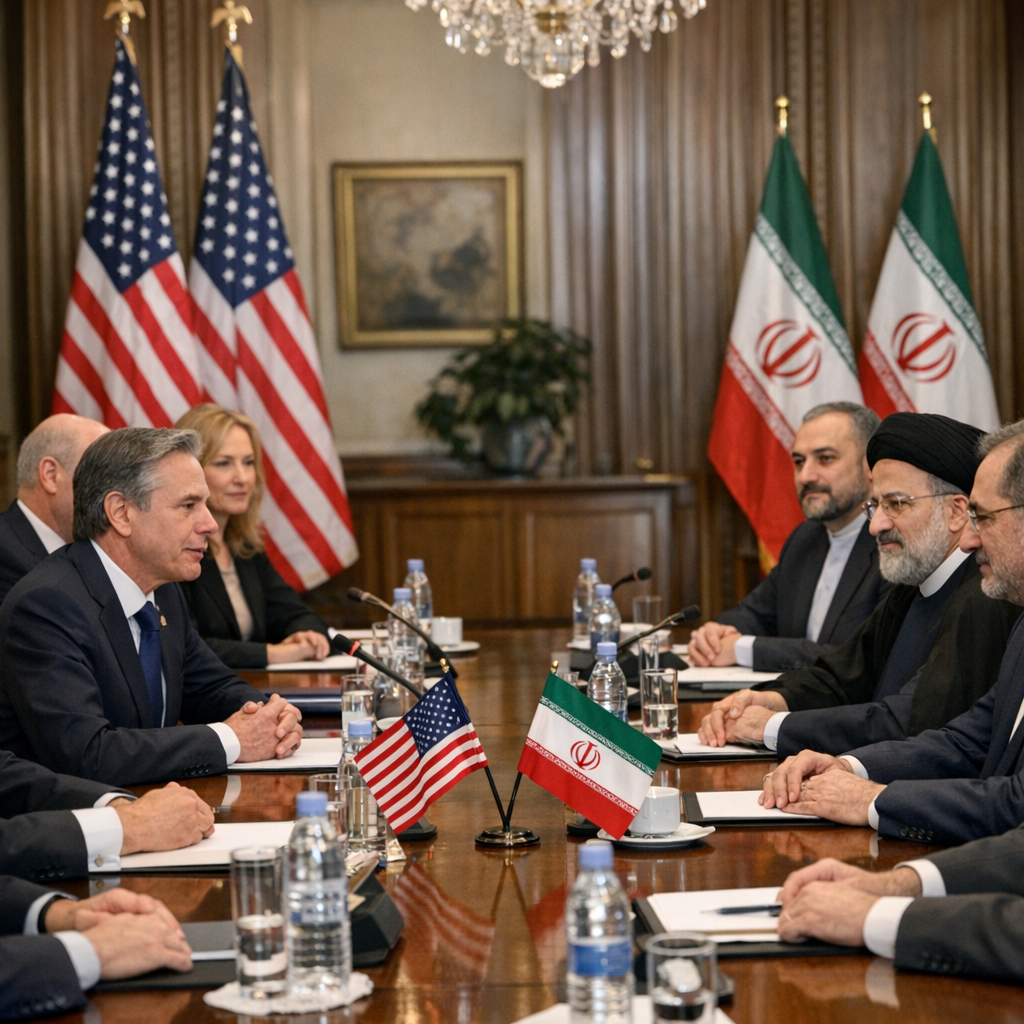
In recent developments, the United States and Iran have reached a significant agreement aimed at de-escalating tensions in the Middle East. This accord has garnered attention both nationally and internationally due to its potential implications for global security and economic stability.
Key Provisions of the Agreement
The agreement primarily focuses on Iran’s commitment to refrain from developing or acquiring nuclear weapons. In return, the United States has agreed to assist in reopening the Strait of Hormuz, a crucial maritime passage for global oil shipments. This mutual understanding is seen as a step toward reducing hostilities and fostering diplomatic relations between the two nations.
Economic and Political Impacts
The reopening of the Strait of Hormuz is expected to stabilize global oil markets, potentially leading to more predictable fuel prices. For local economies, including those in Salinas, California, this could mean steadier transportation and production costs, benefiting both consumers and businesses.
Politically, this agreement may influence U.S. foreign policy strategies and alliances in the Middle East. It also sets a precedent for diplomatic negotiations over military interventions, which could have long-term effects on international relations.
Local Perspectives
Residents of Salinas, while geographically distant from the Middle East, may feel the ripple effects of this agreement. Stable oil prices can lead to more predictable costs for goods and services, impacting household budgets and local businesses. Additionally, the reduction in international tensions contributes to a broader sense of global security, which resonates even in local communities.
As the situation develops, it will be important for citizens to stay informed about how international agreements like this one can have tangible effects on local economies and daily life.